
1995 – 2025
Our story
Port Hedland Pilots provided a continuous, safe and professional pilotage service for thirty years. As the port grew, the company grew from eight pilots in 2010 to twenty-eight by 2015. Along the way it built its own training program, fatigue management system and ISPO-certified safety management system.
Mission statement
“To facilitate trade through the port by provision of best practice marine pilotage and associated services in terms of safety, sustainability, reliability, efficiency, professionalism and value.”
Port Hedland Pilots – from Beginning’s to Ending’s
By Captain Matt Shirley (MS) 2011-2025
There’d be more than a few Australian and international seafarers who remember Port Hedland’s original, and now very much “deconstructed”, iron-ore export wharf, Goldsworthy. From 1966 until the mid-90s it leant against Finucane Island, before being replaced by what we now know as Finucane Island Charlie Berth. There’s still a piece of one of the old dolphins embedded in the berth pocket today; a reminder for some of us of earlier days, although now for many a rather practical limit on loading drafts.
Almost directly across the harbour, Wedge Street, one of the town’s earliest roads, laid out in or around 1896, still keeps watch over the berth. What was once the town’s commercial spine now overlooks one of fifteen Capesize-class berths that anchor a port that’s grown into one of the world’s largest exporters of Iron Ore.
Long before any of this, the land’s Traditional Owners, the Kariyarra and Nyamal peoples, named the place Marapikurrinya, meaning “place of good water.” So, it’s fitting that the widened and deepened channel still traces the same path originally found by the town’s namesake, Peter Hedland.
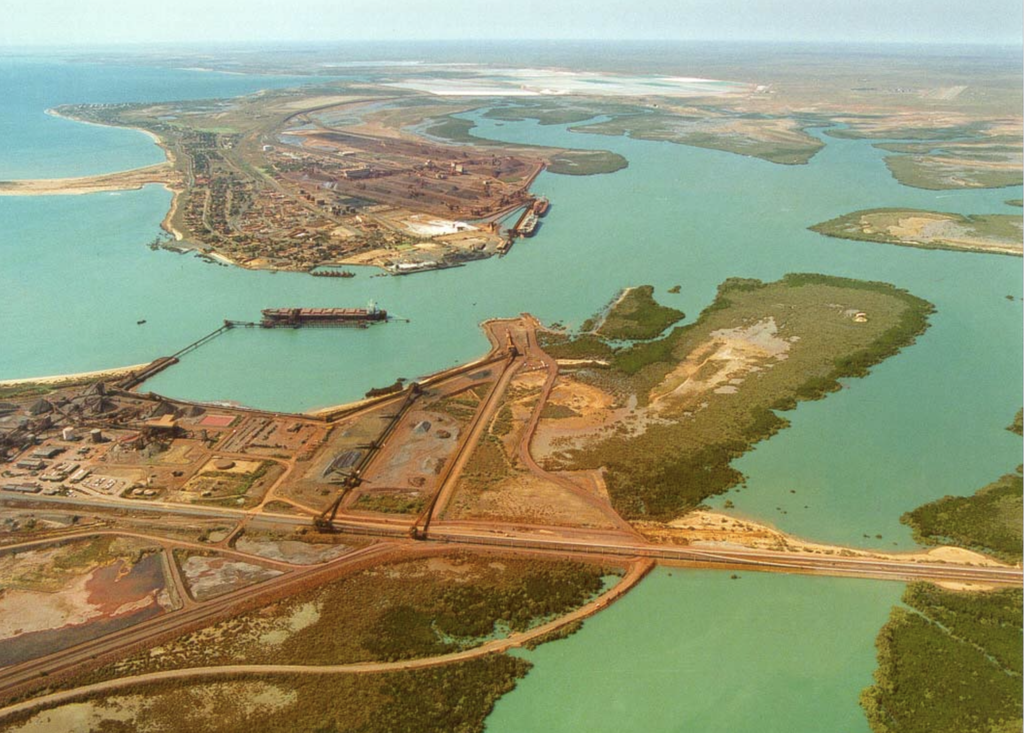
And the name, Marapikurrinya, lives on not just in the port and the channel, but in a community park, a lookout, a playground, and a three-storey fishing jetty; places where locals and visitors still gather to watch ships come and go.
For decades, the port formed part of BHP’s steel-manufacturing chain: the original Goldsworthy berth, Nelson Point’s Alpha and Bravo berths, and three general-cargo wharves. Many former BHP cadets would likely remember wandering those wharves in the 80s and 90s, long before port-security rules turned the walk to and from the Pier Hotel into little more than a fond and hazy memory.
Those relatively modest beginnings though shifted in the mid-90s, as global iron-ore demand surged and port expansion loomed. With the need to strengthen and secure marine pilotage services, the Port Hedland Port Authority partnered with a company formed by its former pilots…and so, in 1995, Port Hedland Pilots (PHP) was born
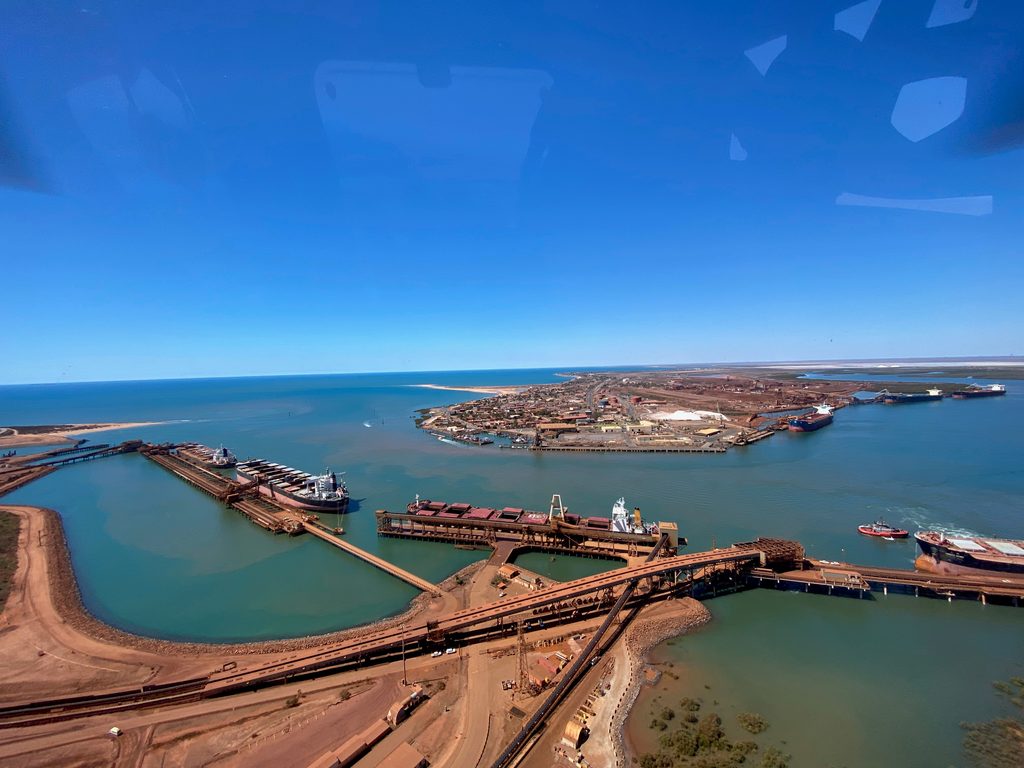
As the port accelerated from 2008 onwards, PHP grew with it. The original team of eight pilots expanded to twenty-eight by 2018, barely keeping pace with a port whose throughput had increased by nearly 950%. Annual pilotage movements rose from roughly 1,100 to well over 6,500. And with that growth came training, and community. For the better part of a decade there was always a Port Hedland Pilot family group on the go: partners and children gathering at the yacht club, watching sunsets over the Spoil Bank while a training pilot gave the ship’s whistle a healthy lean on.
Despite the heat, the cyclones, and the occasional dust storm, the town’s social heartbeat was strong. Winters in particular were a steady run of community events, barbecues, fundraisers, and functions, and an atmosphere that built lasting friendships between pilots, families, and the wider community.
The port itself now spans a 24-nautical-mile, tidally constrained channel with a spring range of seven metres, feeding a deep-water harbour that handles 550–600 million tonnes of cargo each year. And as the port scaled up, PHP had to adapt with equal pace. Reliability, risk, and resilience became defining themes.
To strengthen professionalism and consistency, PHP achieved ISPO accreditation in 201, becoming only the 11th pilotage service in the world, and the second in Australia, to do so. But accreditation was only part of the story. By the early to mid-2010s, main-engine events were occurring roughly every ten days, with full engine failures on average every twenty. This demanded new approaches to emergency response including indirect towage, simulation, and on-water training. PHP worked closely with the Port Authority, towage providers, shippers, and others to build procedures and partnerships that kept the channel moving safely. Again, in those days, it was very much a port community feel with open conversation and dialogue helping everyone push the operation towards a common and united goal – that of channel integrity, one of the drivers towards what was for a long time PHP’s motto; Pilotage with Integrity.
Around the same time, PHP helped pioneer a world-first integration of Dynamic Under Keel Clearance (DUKC) with Portable Pilot Unit (PPU) technology, by bringing together OMC International, Navicom Dynamics, and Qastor to overlay real-time DUKC data on a pilot’s PPU. This allowed pilots to trial speed profiles and scenario-plan on the fly, especially during emergencies. The first discussion about this happened, of all places, around the dining table at one of our pilots’ homes, and it’s this system that’s since been adopted by major ports around the world.
Developments like these, new tug classes, specialised towage techniques, robust operating procedures, and integrated technology all combined to help safeguard a channel that, at its peak during the COVID years, carried close to 20% of Australia’s GDP.
COVID changed many things for many people, and Port Hedland was no exception. The rhythm of work, travel, community life, and recruitment shifted in ways few could have anticipated. For Port Hedland Pilots, this period brought significant challenges, but also moments of notable commitment, as the service continued to keep the channel open through some of the most complex operational conditions in the port’s history. One positive outcome from this time was PHP’s engagement with shipping stakeholders and AMSA, suggesting that, where appropriate, crew changes be facilitated via the Philippines, providing additional flexibility for ship operators seeking to meet crew welfare requirements.
As time moved on though, so too did the broader landscape. Plans evolved, and by 2025 it became clear the future direction for pilotage services in Port Hedland would take a different shape.
In the end our contract simply reached a natural conclusion and was not renewed. As the saying goes, nothing lasts forever.
For many of our pilots, this change opened new chapters: some chose retirement after long careers, others moved into different pilotage services, new maritime ventures, or new professions entirely.
But the PHP one would hope most will now choose to remember is the one based on our achievements. Over 30 years, PHP supported and was an integral part of the growth that became the largest bulk-export port in the world (by tonnage). We undertook more than 100,000 pilotage movements, facilitated the safe export of over 8 billion tonnes of cargo, pioneered world-first operational innovations, and helped build a notable chapter in Australia’s maritime history.
Our final pilotage movement, fittingly enough, was a departure on 30 June 2025 – an ending marked not by ceremony, but by a professionalism that characterised the thousands of movements before it. While the administrative process of winding up the company continues, our operational chapter is closed, and our pilots have stepped off the bridge for the last time.
As we look back, what stands out is not just the scale of the work, but the people we knew and worked with – the crews, the harbour community, the colleagues who became friends, and a town that shaped so many of our lives.
So while this chapter turns its final page, the memories and friendships remain.
To those we worked alongside over the years, thank you. We wish you fair winds, following seas, and every success in the years ahead.
Over and out.
Timeline
- 1995
Port Hedland Pilots formed
Established to provide marine pilotage to the Port Hedland Port Authority after the WA Government privatised pilotage.
- 2010
A new contract
The company began the 2010 contract with eight unrestricted pilots and two restricted pilots in training.
- May 2012
ISPO certification
Became the tenth pilotage organisation in the world certified to the International Standard for Maritime Pilot Organizations, with annual DNV audits under a full quality and safety management system.
- 2010 – 2014
Record growth
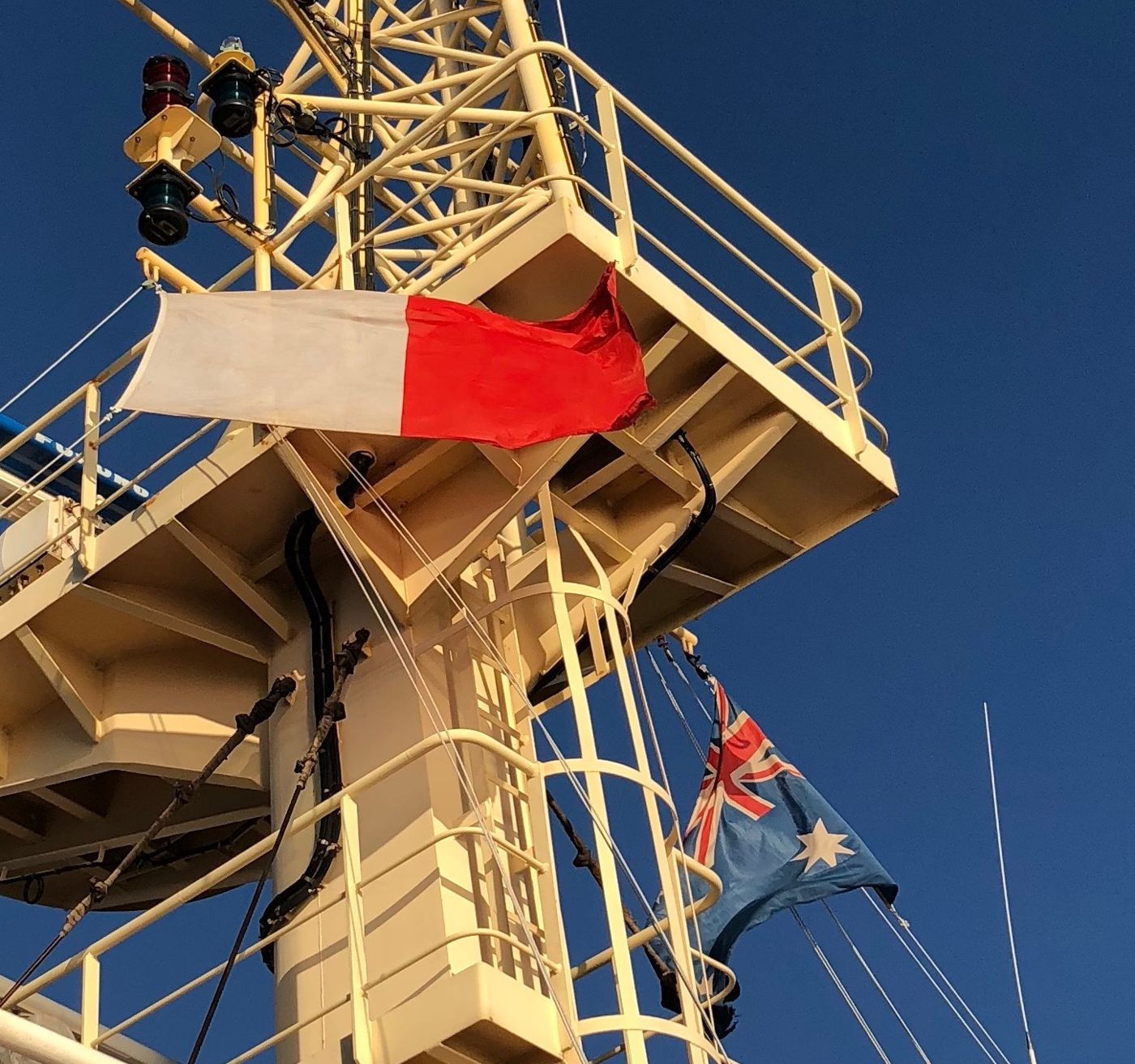
Over 18,300 pilotages and 1,285 million tonnes of cargo moved through the port as iron ore exports surged.
- July 2014
Pilbara Ports Authority
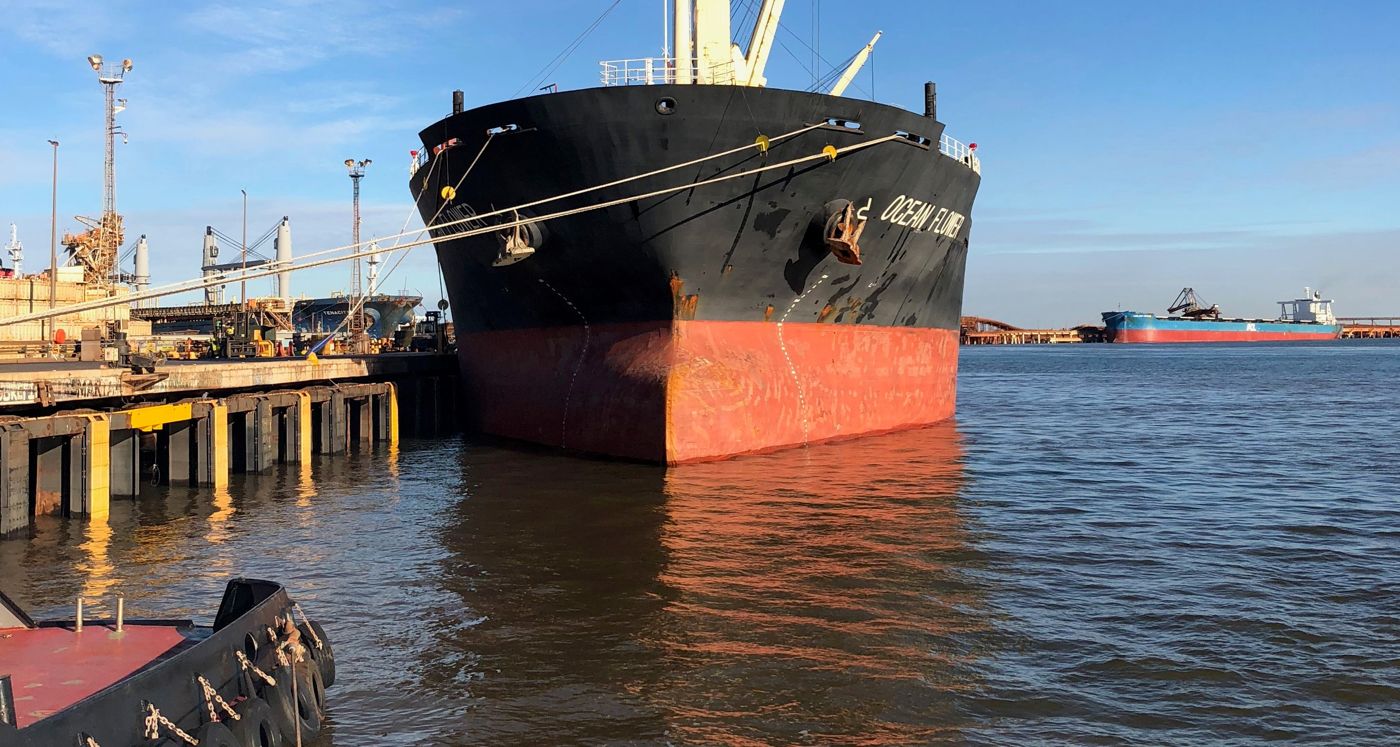
The Port Hedland Port Authority was replaced by the Pilbara Ports Authority.
- 2015
Twenty-eight pilots
Numbers had grown to eighteen unrestricted and ten restricted pilots.
- Feb – Mar 2017
HL Tubarao
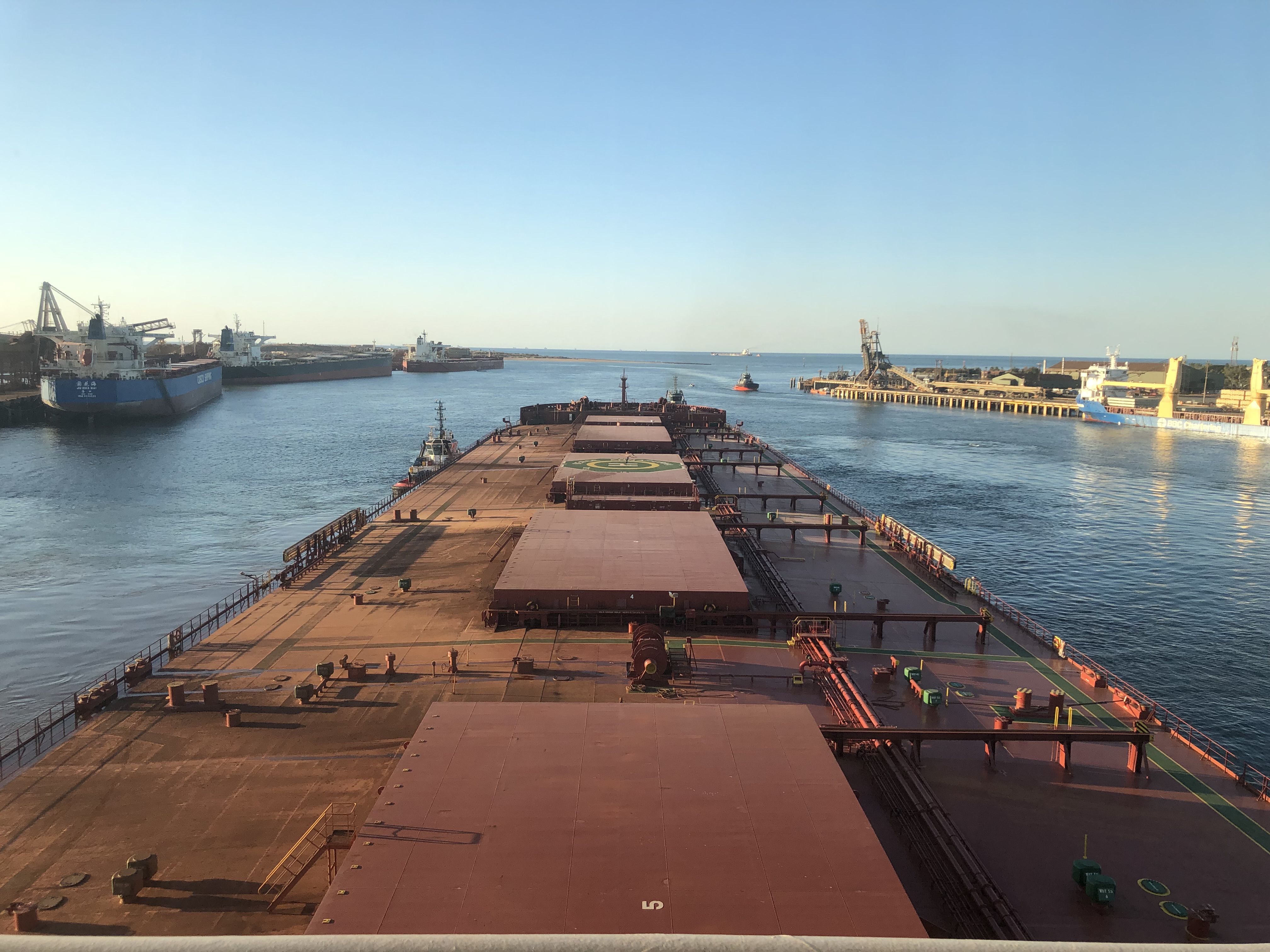
The largest vessel handled at 339.95 m, and the deepest departure draft at 19.95 m carrying 270,006 tonnes.
- June 2018
Monthly tonnage record
48.3 million tonnes in a single month.
- March 2019
Tropical Cyclone Veronica
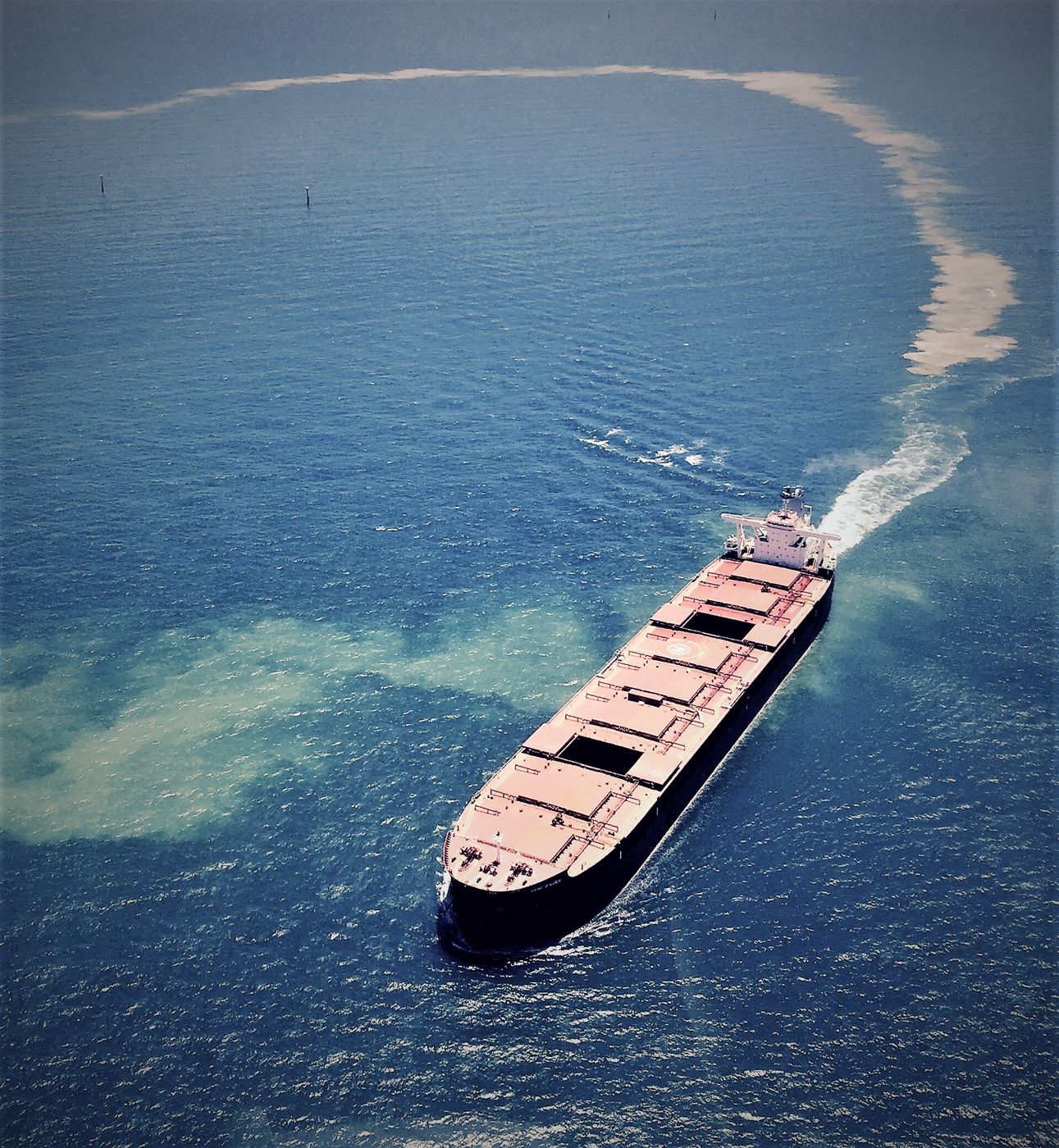
A storm-surge tide of 8.35 m was recorded, and 71 vessels were waiting at anchor after the port reopened.
- 30 June 2025
Final pilotage
Port Hedland Pilots ceased operations after thirty years of continuous service.
Port records
The big numbers
Records held at the Port of Port Hedland during the Port Hedland Pilots era.
Honour roll
The pilots
Pilots of Port Hedland Pilots. This roll is still being completed, so members can add the names of earlier pilots and the years they served.
- Ian Anderson2023-2025
- Matthew Ashworth
- Mark Ayre2001-2025
- Matt Barrenger
- Marco Blanco2014-2025
- Mark Bloom2015-2025
- Shaun Boot2012-2024
- Michael Bourne
- Pat Condon
- Chris Cooper2014-2025
- Darren Cousins
- Heath Daniel
- Jaimes Dann
- Graham Davey
- Robbie Dawson
- Brian Digby1995-2002
- Craig Eastaugh2009-2025
- John Figgess
- Campbell Griffiths2012-2025
- Tom Hilton
- Phil Hockings
- David Hoevenaars2023-2025
- Hayden James
- Nathan Kelley2012-2025
- Brian Kerr
- Chris Land
- Sean Liley2022-2025
- John Lindsay
- Edward (Ted) Lysons
- Luke Marthick
- Tony McColl
- Simon Milwright
- Troy Mitchell2004-2025
- Daniel Orchard
- Peter Ross
- Mike Rowe
- Saveri Saverimutto
- Christopher Seen
- Matt Shirley2011-2025
- Matt Stanton2013-2025
- Kabir Vasnaik2015-2025
- Mick Wall
- Alan Willing
Media
In the press
- 2012ISPOPort Hedland pilotage services setting the benchmark: Port Hedland Pilots gain ISPO certification(opens in a new tab)
- 8 Jun 2012Port Hedland Port AuthorityMedia release: Port Hedland Pilots achieve ISPO certification
- 2012Australian Ports NewsPort Hedland Pilots and ISPO
- 23 May 2014ABC 7.30 WAPort Hedland port expands to cope with a rapid increase in iron ore exports(opens in a new tab)
- [Year]Big Australia / CoastDocumentary crews joined pilots on passages through the channel
- 10 Nov 2024ABC NewsSmall crew of marine pilots keeps iron ore flowing through Port Hedland(opens in a new tab)